Auckland Council


Transport
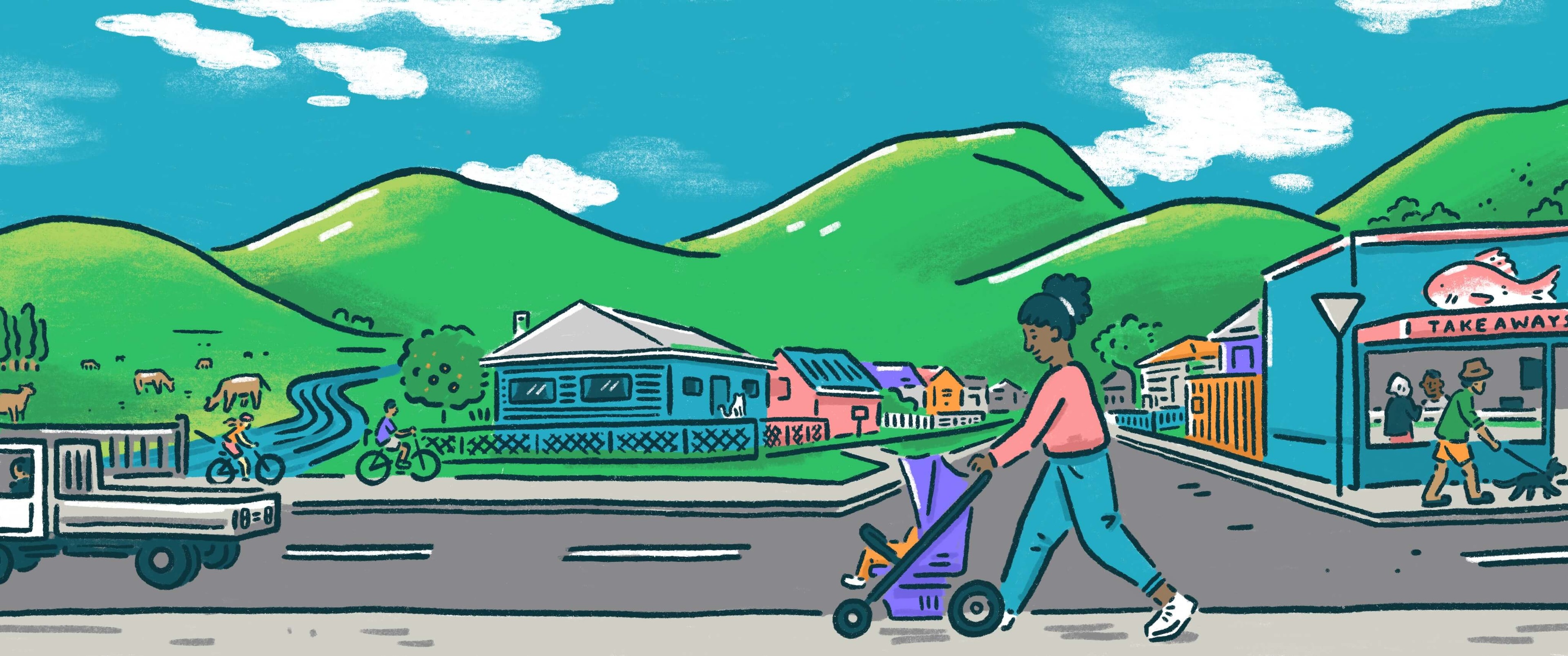
Helping communities get from A to B is a key responsibility of local government, from making sure the buses run on time to providing car parking and walking and cycling paths. Whether public transport is the responsibility of the regional or local council depends on where you are in the country. Local councils also own 87% of New Zealand’s roads.
Transport
Helping communities get from A to B is a key responsibility of local government, from making sure the buses run on time to providing car parking and walking and cycling paths. Whether public transport is the responsibility of the regional or local council depends on where you are in the country. Local councils also own 87% of New Zealand’s roads.
Advocate strongly for safe walking and cycling paths that connect local neighbourhoods to schools, workplaces, amenities and wider Auckland.
Support initiatives to alleviate traffic congestion and lower emissions including more frequent integrated electric ferries, buses and trains.
Design the future city correctly. Integrate transport and development planning, and properly design, fund and maintain essential infrastructure.
Let people choose how they travel and stop social engineering through anti-car policies.
Stop wasting money on cycleways, speed bumps and parking cuts that slow everyone down.
Focus transport budgets on fixing potholes, resurfacing roads and upgrading key routes.
Advocate strongly for safe walking and cycling paths that connect local neighbourhoods to schools, workplaces, amenities and wider Auckland.
Support initiatives to alleviate traffic congestion and lower emissions including more frequent integrated electric ferries, buses and trains.
Design the future city correctly. Integrate transport and development planning, and properly design, fund and maintain essential infrastructure.
Let people choose how they travel and stop social engineering through anti-car policies.
Stop wasting money on cycleways, speed bumps and parking cuts that slow everyone down.
Focus transport budgets on fixing potholes, resurfacing roads and upgrading key routes.
Mayor
Compare the mayoral candidates in your area
Local council
Compare the candidates for your city or district council
Regional council
Compare the candidates for your regional council
Local board
Compare the candidates for your local or community board