Mayor of Auckland





Freshwater
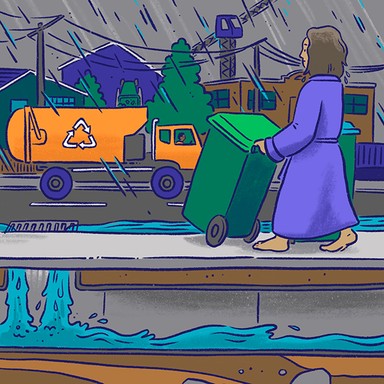
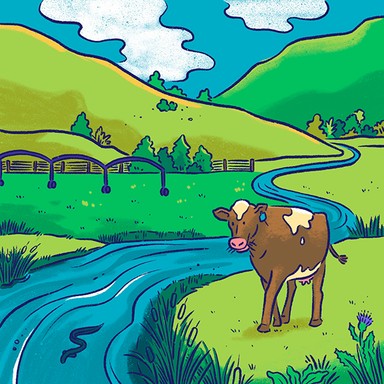
The worsening state of New Zealand’s lakes and rivers is a major challenge for regional councils, which play a leading role in managing freshwater in their areas. To this end, regional councils create plans to protect water resources from contaminants and overuse.
Freshwater
The worsening state of New Zealand’s lakes and rivers is a major challenge for regional councils, which play a leading role in managing freshwater in their areas. To this end, regional councils create plans to protect water resources from contaminants and overuse.
Standardise town-to-tank systems in the water infrastructure on new developments to reduce strain on freshwater systems from storm run-off.
Address the sedimentation issue to restore the threatened ecosystems within our harbours and waterways.
Ensure reserves around waterways have sufficient space to flourish and grow, increasing storm resilience and reducing erosion.
Ensure fresh water supply and seek the option of removing fluoridation.
Take steps to prevent sewage entering the ocean.
Take immediate steps to prevent storm water pollution.
Rewild waterways through riparian planting and wetland restoration to control floods and support biodiversity.
Monitor and report on E coli levels to protect swimming spots and aquatic ecosystems.
Remove invasive plant species from waterways to restore native aquatic plant communities.
Increase catchment capacity for the constantly growing city and focus on results rather than increasing CEO salaries.
Ensure Auckland water quality is high and safe and keep the cost to consumers reasonable.
Fix sewage overflows that regularly happen due to insufficient infrastructure building caused by council incompetence.
Ensure freshwater quality is maintained via constant checks by assigned staff and conduct due diligence to ensure staff are well trained.
Liaise with relevant stakeholders, public and private such as farmers and hatcheries, to ensure waste and pollutants are minimised.
Liaise with stakeholders to ensure land use affecting water resources complies with appropriate consents and filtration systems.
Standardise town-to-tank systems in the water infrastructure on new developments to reduce strain on freshwater systems from storm run-off.
Address the sedimentation issue to restore the threatened ecosystems within our harbours and waterways.
Ensure reserves around waterways have sufficient space to flourish and grow, increasing storm resilience and reducing erosion.
Ensure fresh water supply and seek the option of removing fluoridation.
Take steps to prevent sewage entering the ocean.
Take immediate steps to prevent storm water pollution.
Rewild waterways through riparian planting and wetland restoration to control floods and support biodiversity.
Monitor and report on E coli levels to protect swimming spots and aquatic ecosystems.
Remove invasive plant species from waterways to restore native aquatic plant communities.
Increase catchment capacity for the constantly growing city and focus on results rather than increasing CEO salaries.
Ensure Auckland water quality is high and safe and keep the cost to consumers reasonable.
Fix sewage overflows that regularly happen due to insufficient infrastructure building caused by council incompetence.
Ensure freshwater quality is maintained via constant checks by assigned staff and conduct due diligence to ensure staff are well trained.
Liaise with relevant stakeholders, public and private such as farmers and hatcheries, to ensure waste and pollutants are minimised.
Liaise with stakeholders to ensure land use affecting water resources complies with appropriate consents and filtration systems.
Mayor
Compare the mayoral candidates in your area
Local council
Compare the candidates for your city or district council
Regional council
Compare the candidates for your regional council
Local board
Compare the candidates for your local or community board