Devonport-Takapuna Local Board




Utilities and services
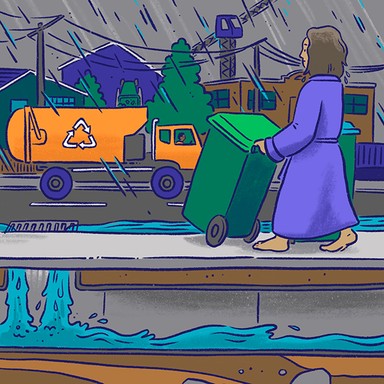
Councils are responsible for a wide range of utilities and services that we all rely on, from rubbish and recycling to street cleaning. Councils are currently also responsible for managing waste water, storm water and drinking water infrastructure – the ‘Three Waters’. But that may be about to change, with central government seeking to shift the delivery of Three Waters services to four new larger entities, which could borrow enough to upgrade the country’s water infrastructure.
Utilities and services
Councils are responsible for a wide range of utilities and services that we all rely on, from rubbish and recycling to street cleaning. Councils are currently also responsible for managing waste water, storm water and drinking water infrastructure – the ‘Three Waters’. But that may be about to change, with central government seeking to shift the delivery of Three Waters services to four new larger entities, which could borrow enough to upgrade the country’s water infrastructure.
Oppose cuts to bin collection frequency as reliable rubbish and recycling are basic services.
Invest in water and wastewater infrastructure, not vanity projects or political distractions.
Streamline consents and dog registration to reduce delays, costs and fees for residents.
Promote tar seal ahead of chip seal where feasible as a higher quality road surface without the slow release of chips and an uneven surface.
Effectively manage roaming and dangerous dogs with adequate penalties.
Protect seawater from stormwater and sewerage contamination which is especially hazardous to open water swimmers like myself.
Encourage and incentivise practical waste, recycling and upcycling initiatives and champion projects that minimise waste.
Work with council and local bodies to manage water quality and engage with community groups on how households make financial savings.
Commit to pest eradication and help support and fund volunteer groups that are enhancing green spaces.
Enable community-led composting hubs on public land to divert waste, grow local food and build environmental skills.
Accelerate stormwater and wastewater upgrades to end beach black flags, protect public health and restore coastal water quality.
Remove bins at beaches and reinforce a take-your-rubbish-home ethic so visitors own responsibility for their waste.
Advocate reinstating public rubbish bins in key areas to keep our streets and beaches clean.
Support investment in stormwater and wastewater systems to handle housing intensification and flooding risks.
Advocate for higher priority on animal control to ensure dangerous dogs are removed from the streets.
Maintain catchpits and ensure covers are regularly cleared of detritus.
Push for extra funding for storm water.
Oppose cuts to bin collection frequency as reliable rubbish and recycling are basic services.
Invest in water and wastewater infrastructure, not vanity projects or political distractions.
Streamline consents and dog registration to reduce delays, costs and fees for residents.
Promote tar seal ahead of chip seal where feasible as a higher quality road surface without the slow release of chips and an uneven surface.
Effectively manage roaming and dangerous dogs with adequate penalties.
Protect seawater from stormwater and sewerage contamination which is especially hazardous to open water swimmers like myself.
Encourage and incentivise practical waste, recycling and upcycling initiatives and champion projects that minimise waste.
Work with council and local bodies to manage water quality and engage with community groups on how households make financial savings.
Commit to pest eradication and help support and fund volunteer groups that are enhancing green spaces.
Enable community-led composting hubs on public land to divert waste, grow local food and build environmental skills.
Accelerate stormwater and wastewater upgrades to end beach black flags, protect public health and restore coastal water quality.
Remove bins at beaches and reinforce a take-your-rubbish-home ethic so visitors own responsibility for their waste.
Advocate reinstating public rubbish bins in key areas to keep our streets and beaches clean.
Support investment in stormwater and wastewater systems to handle housing intensification and flooding risks.
Advocate for higher priority on animal control to ensure dangerous dogs are removed from the streets.
Maintain catchpits and ensure covers are regularly cleared of detritus.
Push for extra funding for storm water.
Mayor
Compare the mayoral candidates in your area
Local council
Compare the candidates for your city or district council
Regional council
Compare the candidates for your regional council
Local board
Compare the candidates for your local or community board