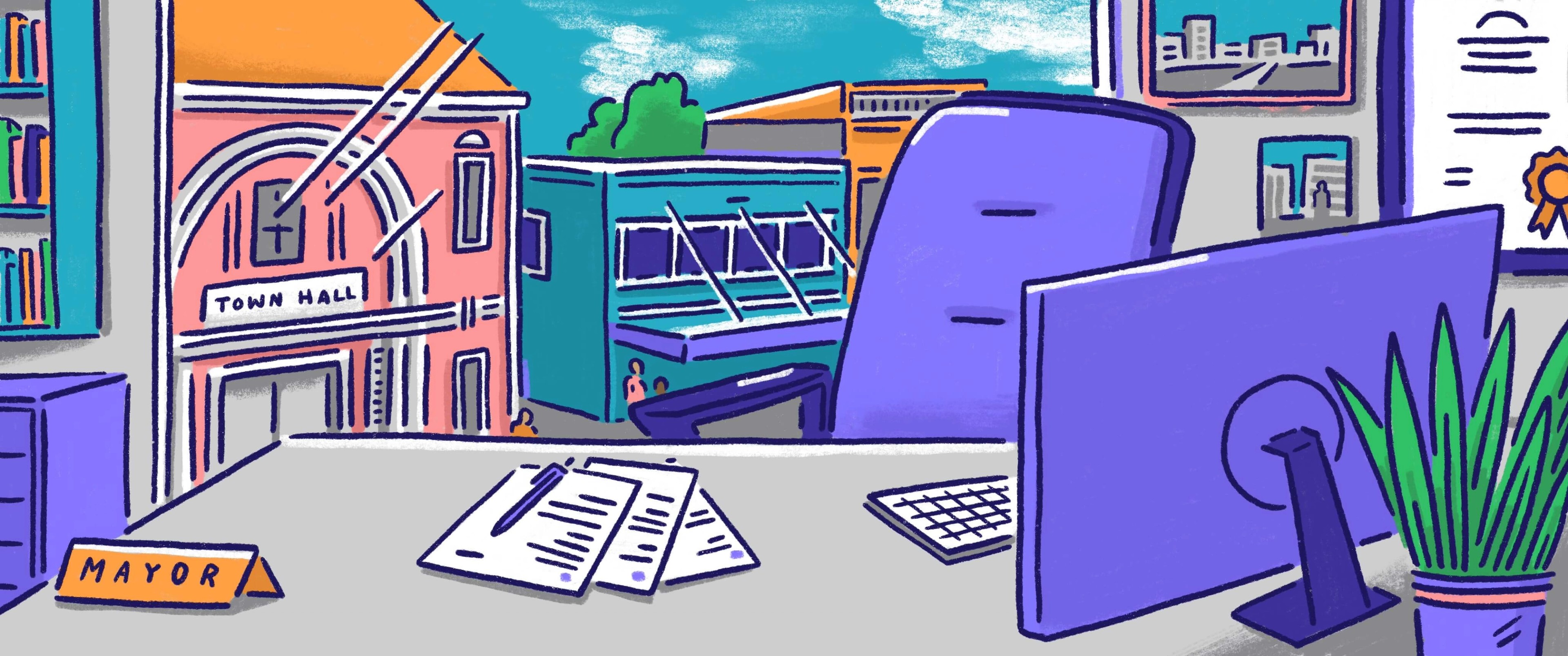
Mayor of Dunedin

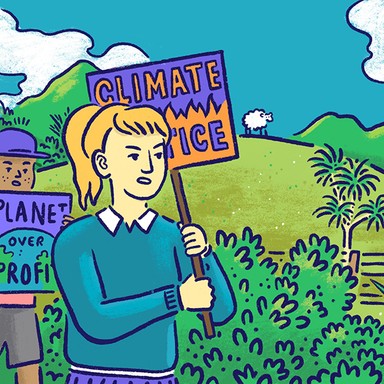
Climate change and resilience
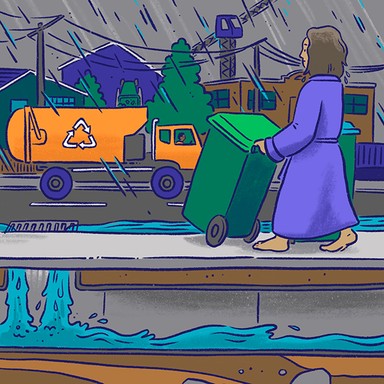
Climate change poses a huge challenge for communities as more frequent extreme weather events require us to rethink how we live and where. Local authorities are at the forefront of efforts to respond, with responsibilities for environmental planning and regulation, as well as civil defence. Many councils have plans to reduce emissions in their area and are working to help their communities adapt to a warming world.
Climate change and resilience
Climate change poses a huge challenge for communities as more frequent extreme weather events require us to rethink how we live and where. Local authorities are at the forefront of efforts to respond, with responsibilities for environmental planning and regulation, as well as civil defence. Many councils have plans to reduce emissions in their area and are working to help their communities adapt to a warming world.
Make all buses electric and free and make bus terminals more accommodating through improving shelter, seating and availability.
Improve education and access to resources on how citizens can personally lower their carbon footprint, eg tree planting and composting.
Improve insulation and local food independence to reduce buying overseas produce and lower personal energy consumption.
Stop using the Green Island landfill and cap it. This alone will save 46% of the DCC's current greenhouse gas emissions and stop the leach.
Improve current infrastructure to buy time ahead of long-term change and solutions, noting that splitting the South D catchment could buy 35 years.
Strengthen the ability to respond to civil emergencies in partnership with CDEM, the ORC and local communities and build resilience.
Make the weather better.
Carpet all the roads.
Put heaters on every street corner.
Reverse the 100 million dollars in recent zero-carbon and cycleways budgets and establish a much smaller 'pothole fund'.
Encourage the gas, oil, gold and mineral mining industries to invest in Dunedin, including the oil in the Great South Basin which has enormous potential.
Scrap the carbon zero by 2030 plans and the war on cars and make Dunedin car-friendly.
Support action on climate change. I supported medium to high investment in carbon zero.
Help heritage building owners earthquake strengthen properties by subsidising some of the costs and making this easier.
Make all buses electric and free and make bus terminals more accommodating through improving shelter, seating and availability.
Improve education and access to resources on how citizens can personally lower their carbon footprint, eg tree planting and composting.
Improve insulation and local food independence to reduce buying overseas produce and lower personal energy consumption.
Stop using the Green Island landfill and cap it. This alone will save 46% of the DCC's current greenhouse gas emissions and stop the leach.
Improve current infrastructure to buy time ahead of long-term change and solutions, noting that splitting the South D catchment could buy 35 years.
Strengthen the ability to respond to civil emergencies in partnership with CDEM, the ORC and local communities and build resilience.
Make the weather better.
Carpet all the roads.
Put heaters on every street corner.
Reverse the 100 million dollars in recent zero-carbon and cycleways budgets and establish a much smaller 'pothole fund'.
Encourage the gas, oil, gold and mineral mining industries to invest in Dunedin, including the oil in the Great South Basin which has enormous potential.
Scrap the carbon zero by 2030 plans and the war on cars and make Dunedin car-friendly.
Support action on climate change. I supported medium to high investment in carbon zero.
Help heritage building owners earthquake strengthen properties by subsidising some of the costs and making this easier.
Mayor
Compare the mayoral candidates in your area
Local council
Compare the candidates for your city or district council
Regional council
Compare the candidates for your regional council
Local board
Compare the candidates for your local or community board