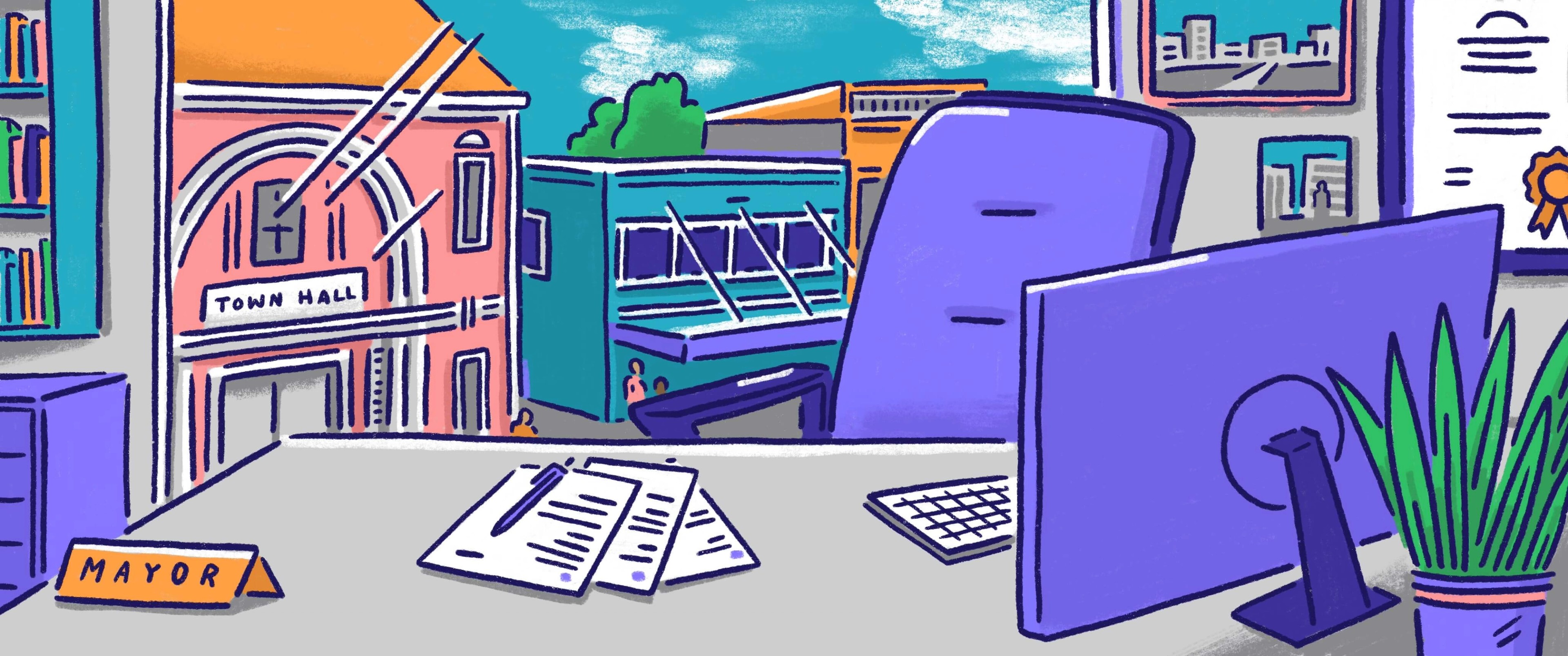
Mayor of Hamilton

Climate change and resilience
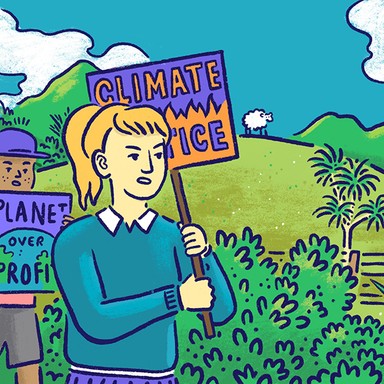
Climate change poses a huge challenge for communities as more frequent extreme weather events require us to rethink how we live and where. Local authorities are at the forefront of efforts to respond, with responsibilities for environmental planning and regulation, as well as civil defence. Many councils have plans to reduce emissions in their area and are working to help their communities adapt to a warming world.
Climate change and resilience
Climate change poses a huge challenge for communities as more frequent extreme weather events require us to rethink how we live and where. Local authorities are at the forefront of efforts to respond, with responsibilities for environmental planning and regulation, as well as civil defence. Many councils have plans to reduce emissions in their area and are working to help their communities adapt to a warming world.
Invest in riparian planting and wetland restoration to reduce flooding whilst supporting native wildlife.
Eliminate single-use plastics from council operations to protect life from devastating pollution.
Establish circular economy hubs to reduce waste and strengthen community resilience.
Design, build and maintain robust infrastructure that can handle the most extreme weather and survive many natural disasters.
Protect against cyberattacks and solar activity risks by avoiding over-reliance on internet-connected or controlled infrastructure.
Use realistic modelling to predict risks and prevent policy-based evidence-making being used to justify schemes such as managed retreat.
Replace council fleet with electric vehicles.
Repurpose earthquake prone buildings with refitting.
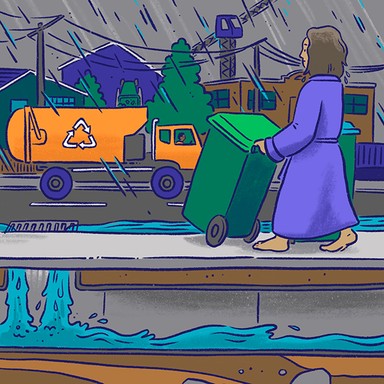
Provide flood relief from storm water overflow.
Reduce car emissions by promoting one zero car day per week, carpooling, more use of public transport and a remote workday per week.
Ensure climate change action by encouraging recycling and responsible use of electricity, water and plastic products.
Ensure that Hamilton's earthquake-strengthen certification system for buildings meets national earthquake-prone building (EPB) standards.
Strengthen flood defenses to protect Hamilton from extreme rainfall, ensuring resilient infrastructure without costly CO2 taxes.
Enhance civil defence systems to prepare for natural disasters, prioritising local safety over global climate agreements.
Promote evidence-based policies and reject unproven human-caused climate change claims to avoid wasteful spending.
Commit to being carbon neutral by 2040.
Adapt by planting trees and reducing carbon emissions.
Create our own kaitiaki guardians and homeguard.
Invest in riparian planting and wetland restoration to reduce flooding whilst supporting native wildlife.
Eliminate single-use plastics from council operations to protect life from devastating pollution.
Establish circular economy hubs to reduce waste and strengthen community resilience.
Design, build and maintain robust infrastructure that can handle the most extreme weather and survive many natural disasters.
Protect against cyberattacks and solar activity risks by avoiding over-reliance on internet-connected or controlled infrastructure.
Use realistic modelling to predict risks and prevent policy-based evidence-making being used to justify schemes such as managed retreat.
Replace council fleet with electric vehicles.
Repurpose earthquake prone buildings with refitting.
Provide flood relief from storm water overflow.
Reduce car emissions by promoting one zero car day per week, carpooling, more use of public transport and a remote workday per week.
Ensure climate change action by encouraging recycling and responsible use of electricity, water and plastic products.
Ensure that Hamilton's earthquake-strengthen certification system for buildings meets national earthquake-prone building (EPB) standards.
Strengthen flood defenses to protect Hamilton from extreme rainfall, ensuring resilient infrastructure without costly CO2 taxes.
Enhance civil defence systems to prepare for natural disasters, prioritising local safety over global climate agreements.
Promote evidence-based policies and reject unproven human-caused climate change claims to avoid wasteful spending.
Commit to being carbon neutral by 2040.
Adapt by planting trees and reducing carbon emissions.
Create our own kaitiaki guardians and homeguard.
Mayor
Compare the mayoral candidates in your area
Local council
Compare the candidates for your city or district council
Regional council
Compare the candidates for your regional council
Local board
Compare the candidates for your local or community board