Hibiscus and Bays Local Board



Climate change and resilience
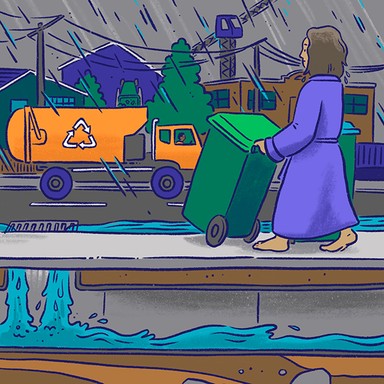
Climate change poses a huge challenge for communities as more frequent extreme weather events require us to rethink how we live and where. Local authorities are at the forefront of efforts to respond, with responsibilities for environmental planning and regulation, as well as civil defence. Many councils have plans to reduce emissions in their area and are working to help their communities adapt to a warming world.
Climate change and resilience
Climate change poses a huge challenge for communities as more frequent extreme weather events require us to rethink how we live and where. Local authorities are at the forefront of efforts to respond, with responsibilities for environmental planning and regulation, as well as civil defence. Many councils have plans to reduce emissions in their area and are working to help their communities adapt to a warming world.
Drive less by walking, biking, carpooling or using public transport to reduce gas emissions and recycle and compost to minimise landfill waste.
Support community adaptation projects and green infrastructure to adapt to climate change.
Adopt risk-based planning approaches, invest in community initiatives and foster partnerships with community organisations to enhance local capacity.
Stop wasting ratepayers' money on emissions cuts and focus council on core local services, not climate activism.
Remove emissions considerations from all council decisions and consents and prioritise value for money.
Invest in stormwater systems and stop banks to protect homes, businesses and communities from severe weather.
Support active transport, green spaces and local initiatives that cut emissions while building a healthier, more connected community.
Protect coasts, upgrade infrastructure and build community resilience to keep people and places safe in changing conditions.
Support building upgrades and community preparedness to keep people safe and minimise damage during earthquakes.
Commit to coastal management and support coastal erosion initiatives and defence for Orewa Beach, Hatfields and Army Bay.
Invest urgently in stormwater and flood management infrastructure to reduce flooding and pollution entering harbours.
Conduct hazard assessments for vulnerability relating to flooding, coastal inundation and slope instability for new subdivisions and developments.
Continue the established local civil defence network with ready-to-activate local shelters run by community experts.
Ensure a multi-modal transport network that features ferries and buses, walking and cycling routes for access in emergencies.
Prevent development in flood risk or coastal inundation areas so that people are no longer living in climate risk areas.
Safeguard Orewa Beach by exploring all protection options, including new solutions, to preserve this iconic coast for future generations.
Secure the long-term future of the Gulf Harbour ferry, deliver Penlink and the Whangaparāoa bus station to improve local transport.
Protect and restore reserves, waterways and wildlife. Support planting, pest control and climate-ready projects to preserve our coastlines.
Drive less by walking, biking, carpooling or using public transport to reduce gas emissions and recycle and compost to minimise landfill waste.
Support community adaptation projects and green infrastructure to adapt to climate change.
Adopt risk-based planning approaches, invest in community initiatives and foster partnerships with community organisations to enhance local capacity.
Stop wasting ratepayers' money on emissions cuts and focus council on core local services, not climate activism.
Remove emissions considerations from all council decisions and consents and prioritise value for money.
Invest in stormwater systems and stop banks to protect homes, businesses and communities from severe weather.
Support active transport, green spaces and local initiatives that cut emissions while building a healthier, more connected community.
Protect coasts, upgrade infrastructure and build community resilience to keep people and places safe in changing conditions.
Support building upgrades and community preparedness to keep people safe and minimise damage during earthquakes.
Commit to coastal management and support coastal erosion initiatives and defence for Orewa Beach, Hatfields and Army Bay.
Invest urgently in stormwater and flood management infrastructure to reduce flooding and pollution entering harbours.
Conduct hazard assessments for vulnerability relating to flooding, coastal inundation and slope instability for new subdivisions and developments.
Continue the established local civil defence network with ready-to-activate local shelters run by community experts.
Ensure a multi-modal transport network that features ferries and buses, walking and cycling routes for access in emergencies.
Prevent development in flood risk or coastal inundation areas so that people are no longer living in climate risk areas.
Safeguard Orewa Beach by exploring all protection options, including new solutions, to preserve this iconic coast for future generations.
Secure the long-term future of the Gulf Harbour ferry, deliver Penlink and the Whangaparāoa bus station to improve local transport.
Protect and restore reserves, waterways and wildlife. Support planting, pest control and climate-ready projects to preserve our coastlines.
Mayor
Compare the mayoral candidates in your area
Local council
Compare the candidates for your city or district council
Regional council
Compare the candidates for your regional council
Local board
Compare the candidates for your local or community board