Kāpiti Coast District Council



Recreation and culture
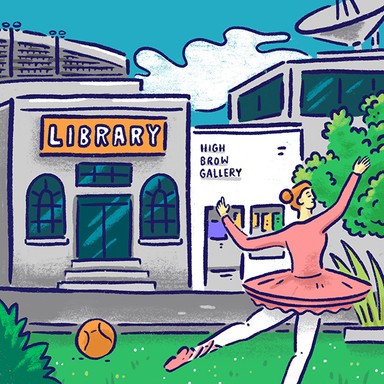
From parks and libraries to museums and art galleries, councils can be a key supporter of sporting, recreational and cultural events that bring communities to life. Community facilities, including sports grounds and town halls, are often owned and run by councils.
Recreation and culture
From parks and libraries to museums and art galleries, councils can be a key supporter of sporting, recreational and cultural events that bring communities to life. Community facilities, including sports grounds and town halls, are often owned and run by councils.
Investigate liquor licensing and liquor licensing laws to be compared to other councils around the country and liquor licensing trusts.
Investigate a policy where some community halls could be free to use by community groups with costs offset by business sponsorship.
Support festivals, events and services with grants to encourage a range of community interests.
Investigate liquor licensing and licensing law to compare with other councils around the country and liquor licensing trusts.
Investigate a policy where some community halls could be free to use by community groups, with costs offset by business sponsorship.
Support festivals, events and services with grants to encourage a range of community interests.
Maintain or enhance public social and cultural facilities such as parks, pools, museums and sports grounds.
Cooperate with and support community organisations to run festivals and other social and cultural events.
Survey the community on social and cultural preferences.
Investigate liquor licensing and liquor licensing laws to be compared to other councils around the country and liquor licensing trusts.
Investigate a policy where some community halls could be free to use by community groups with costs offset by business sponsorship.
Support festivals, events and services with grants to encourage a range of community interests.
Investigate liquor licensing and licensing law to compare with other councils around the country and liquor licensing trusts.
Investigate a policy where some community halls could be free to use by community groups, with costs offset by business sponsorship.
Support festivals, events and services with grants to encourage a range of community interests.
Maintain or enhance public social and cultural facilities such as parks, pools, museums and sports grounds.
Cooperate with and support community organisations to run festivals and other social and cultural events.
Survey the community on social and cultural preferences.
Mayor
Compare the mayoral candidates in your area
Local council
Compare the candidates for your city or district council
Regional council
Compare the candidates for your regional council
Local board
Compare the candidates for your local or community board