Nelson City Council

Climate change and resilience
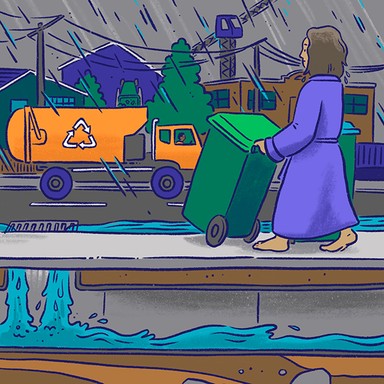
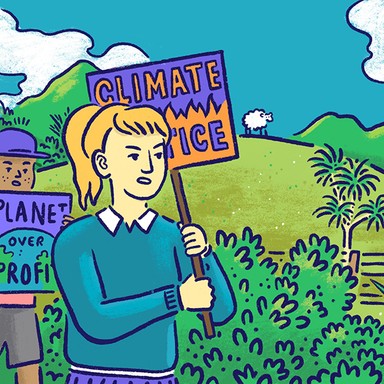
Climate change poses a huge challenge for communities as more frequent extreme weather events require us to rethink how we live and where. Local authorities are at the forefront of efforts to respond, with responsibilities for environmental planning and regulation, as well as civil defence. Many councils have plans to reduce emissions in their area and are working to help their communities adapt to a warming world.
Climate change and resilience
Climate change poses a huge challenge for communities as more frequent extreme weather events require us to rethink how we live and where. Local authorities are at the forefront of efforts to respond, with responsibilities for environmental planning and regulation, as well as civil defence. Many councils have plans to reduce emissions in their area and are working to help their communities adapt to a warming world.
Phase out reliance on fossil fuels by encouraging alternative energy sources and prioritising climate friendly transport choices.
Develop with sustainability and resilience at the forefront.
Encourage and support 15 minute cities.
Continue doing all we can as a council to reduce greenhouse gas emissions.
Ensure council adheres to its community emission reduction targets.
Uphold the Whakatu Nelson climate change strategy and climate action plan which was adopted on 3 July.
Review and upgrade infrastructure to withstand climate risks using resilient and nature-based design solutions.
Expand cycleways and bus networks to cut emissions and support a shift to sustainable, low-carbon transport options.
Support electrification and solar adoption with loans, incentives and upgrades to public and private infrastructure.
Take a big picture approach to climate response, acknowledging the different roles of central and local government and individuals.
Support cost-effective climate action at a household level, including insulation, electrification and transport choice.
Advance practical, evidence-based policies that bring the community with us instead of approaches that push people to the fringe.
Focus on reducing greenhouse gas emissions and developing adaptation plans for climate change.
Prioritise meaningful community engagement to create solutions for climate impacts, such as coastal hazards and flooding.
Renew and maintain aging public assets to build resilience and address future infrastructure challenges.
Work on comprehensive bicycle network policy and implement it.
Work on slower car speeds, more roundabouts, less traffic lights and more pedestrian crossings to make traffic flow better for everyone.
Work on stopping clear-fell logging and give priority to continuous canopy forestry.
Phase out reliance on fossil fuels by encouraging alternative energy sources and prioritising climate friendly transport choices.
Develop with sustainability and resilience at the forefront.
Encourage and support 15 minute cities.
Continue doing all we can as a council to reduce greenhouse gas emissions.
Ensure council adheres to its community emission reduction targets.
Uphold the Whakatu Nelson climate change strategy and climate action plan which was adopted on 3 July.
Review and upgrade infrastructure to withstand climate risks using resilient and nature-based design solutions.
Expand cycleways and bus networks to cut emissions and support a shift to sustainable, low-carbon transport options.
Support electrification and solar adoption with loans, incentives and upgrades to public and private infrastructure.
Take a big picture approach to climate response, acknowledging the different roles of central and local government and individuals.
Support cost-effective climate action at a household level, including insulation, electrification and transport choice.
Advance practical, evidence-based policies that bring the community with us instead of approaches that push people to the fringe.
Focus on reducing greenhouse gas emissions and developing adaptation plans for climate change.
Prioritise meaningful community engagement to create solutions for climate impacts, such as coastal hazards and flooding.
Renew and maintain aging public assets to build resilience and address future infrastructure challenges.
Work on comprehensive bicycle network policy and implement it.
Work on slower car speeds, more roundabouts, less traffic lights and more pedestrian crossings to make traffic flow better for everyone.
Work on stopping clear-fell logging and give priority to continuous canopy forestry.
Mayor
Compare the mayoral candidates in your area
Local council
Compare the candidates for your city or district council
Regional council
Compare the candidates for your regional council
Local board
Compare the candidates for your local or community board