Ōtara-Papatoetoe Local Board


Environment
Local governments play a central role in protecting the environment, reducing waste and safeguarding biodiversity. The worsening state of New Zealand’s lakes and rivers is a major challenge for local councils, which work with regional councils in the management of water resources in their area.
Environment
Local governments play a central role in protecting the environment, reducing waste and safeguarding biodiversity. The worsening state of New Zealand’s lakes and rivers is a major challenge for local councils, which work with regional councils in the management of water resources in their area.
Create further water quality programs and flood protection measures and structures.
Commit to further waste minimisation measures where possible.
Promote biodiversity and pest control as appropriate.
Minimise waste by boosting recycling, composting and reducing single-use plastics in the community and educate in schools.
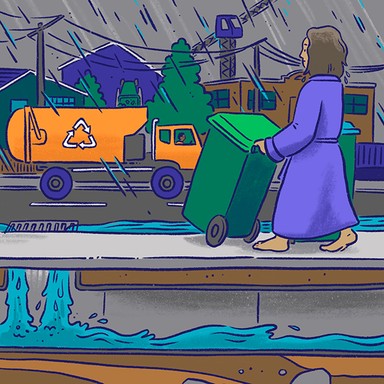
Protect water quality by monitoring pollution and promoting sustainable water use in homes and businesses.
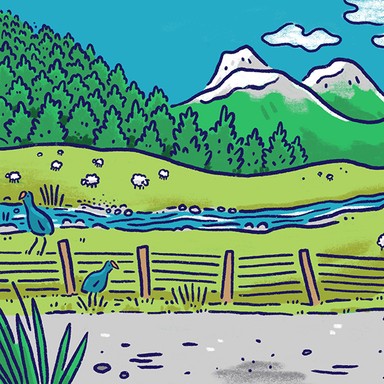
Enhance biodiversity by controlling pests and preserving native plants, wildlife and habitats.
Create further water quality programs and flood protection measures and structures.
Commit to further waste minimisation measures where possible.
Promote biodiversity and pest control as appropriate.
Minimise waste by boosting recycling, composting and reducing single-use plastics in the community and educate in schools.
Protect water quality by monitoring pollution and promoting sustainable water use in homes and businesses.
Enhance biodiversity by controlling pests and preserving native plants, wildlife and habitats.
Mayor
Compare the mayoral candidates in your area
Local council
Compare the candidates for your city or district council
Regional council
Compare the candidates for your regional council
Local board
Compare the candidates for your local or community board