Taranaki Regional Council




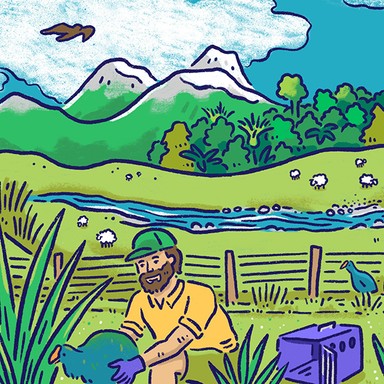
Environment and biodiversity
Protecting the environment and managing natural resources is a key responsibility of regional councils. Regional councils are often also involved in pest control and resource management.
Environment and biodiversity
Protecting the environment and managing natural resources is a key responsibility of regional councils. Regional councils are often also involved in pest control and resource management.
Protect native habitats by planting and controlling pests and fund biodiversity projects with community partnerships.
Promote eco-friendly land use and sustainable farming and restore wetlands and bush to improve ecosystem health.
Support education on local biodiversity and conservation.
Continue with the pest management programme, looking after the regional gardens and environmental monitoring and reporting.
Strengthen the region's possum and stoat eradication programme.
Establish a working group to update the regional freshwater plan adopted in 2001.
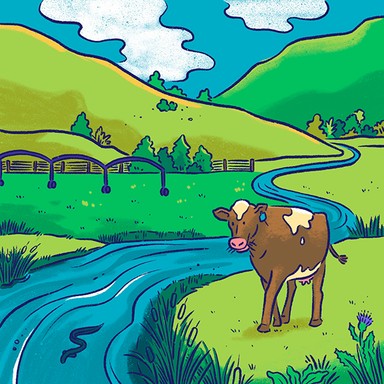
Continue Taranaki's leadership in riparian planting of waterways on regional farms.
Protect native habitats by planting and controlling pests and fund biodiversity projects with community partnerships.
Promote eco-friendly land use and sustainable farming and restore wetlands and bush to improve ecosystem health.
Support education on local biodiversity and conservation.
Continue with the pest management programme, looking after the regional gardens and environmental monitoring and reporting.
Strengthen the region's possum and stoat eradication programme.
Establish a working group to update the regional freshwater plan adopted in 2001.
Continue Taranaki's leadership in riparian planting of waterways on regional farms.
Mayor
Compare the mayoral candidates in your area
Local council
Compare the candidates for your city or district council
Regional council
Compare the candidates for your regional council
Local board
Compare the candidates for your local or community board