Upper Hutt City Council


Environment
Local governments play a central role in protecting the environment, reducing waste and safeguarding biodiversity. The worsening state of New Zealand’s lakes and rivers is a major challenge for local councils, which work with regional councils in the management of water resources in their area.
Environment
Local governments play a central role in protecting the environment, reducing waste and safeguarding biodiversity. The worsening state of New Zealand’s lakes and rivers is a major challenge for local councils, which work with regional councils in the management of water resources in their area.
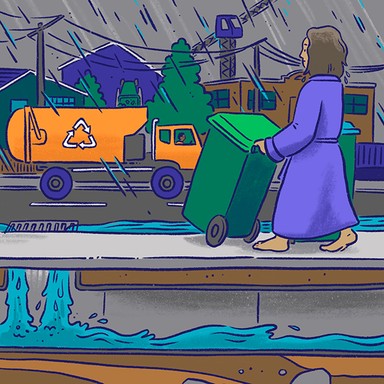
Improve water quality by upgrading stormwater systems.
Protect native biodiversity through targeted pest control and habitat restoration efforts.
Reduce landfill waste by expanding recycling and composting services citywide.
Monitor quality of waterways and identify remediation if required, ie infrastructure improvements or isolating cross contamination.
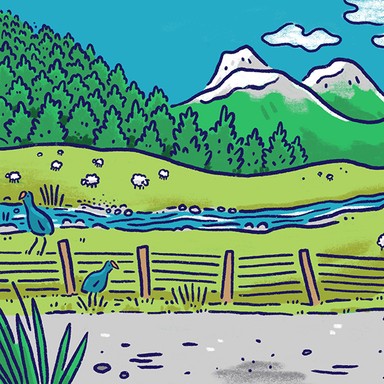
Protect rural valley floor for food production, including agriculture, viticulture and horticulture.
Ensure rural communities get access if rubbish collection is introduced by the council or alternatively do not see rates increase.
Minimise or eliminate water wastage through investing in necessary water infrastructure.
Minimise or eliminate water wastage through investment in necessary water infrastructure.
Support Pest-Free-Upper-Hutt in distributing and using traps to catch and despatch possums and other pests.
Encourage replanting in wasteland to make Upper Hutt greener.
Promote roof-top gardens to use rainwater, cool buildings and reduce runoff.
Monitor and improve water quality in rivers, streams and lakes. Ensure clean, safe water for all residents.
Preserve native biodiversity through planting, habitat protection and pest control. Ensure protection of native ecosystems.
Report progress on environmental goals transparently to the community.
Base all decision-making about Three Waters requiring large sums of ratepayer money on robust and high-quality data.
Grow Upper Hutt’s population without compromising food-producing areas such as the Mangaroa Valley that support the city.
Support the work of Forest and Bird and others in eradicating the pests that cause damage to taonga animal and plant species.
Support more local recycling and composting initiatives, working with communities to keep costs low.
Support predator control and biodiversity projects led by volunteers and iwi.
Improve local recycling sites.
Strengthen commitment to clean waterways.
Promote the importance of people in the environment and build roads, buildings and infrastructure to maintain a continued high quality of life.
Implement zero tolerance for dumping oil, paint and solvents into storm-water and work with industry to ensure appropriate disposal occurs.
Encourage vermin control to reduce damage to homes and bird populations in reserves caused by rats and mice, which are also unsanitary.
Increase the number of recycling stations throughout Upper Hutt from one to three to encourage residents to participate.
Enforce parking issues on footpaths and berms to ensure uncluttered access for the elderly or disabled.
Create a building policy to ensure all new builds include water catchment and preservation devices.
Improve water quality by upgrading stormwater systems.
Protect native biodiversity through targeted pest control and habitat restoration efforts.
Reduce landfill waste by expanding recycling and composting services citywide.
Monitor quality of waterways and identify remediation if required, ie infrastructure improvements or isolating cross contamination.
Protect rural valley floor for food production, including agriculture, viticulture and horticulture.
Ensure rural communities get access if rubbish collection is introduced by the council or alternatively do not see rates increase.
Minimise or eliminate water wastage through investing in necessary water infrastructure.
Minimise or eliminate water wastage through investment in necessary water infrastructure.
Support Pest-Free-Upper-Hutt in distributing and using traps to catch and despatch possums and other pests.
Encourage replanting in wasteland to make Upper Hutt greener.
Promote roof-top gardens to use rainwater, cool buildings and reduce runoff.
Monitor and improve water quality in rivers, streams and lakes. Ensure clean, safe water for all residents.
Preserve native biodiversity through planting, habitat protection and pest control. Ensure protection of native ecosystems.
Report progress on environmental goals transparently to the community.
Base all decision-making about Three Waters requiring large sums of ratepayer money on robust and high-quality data.
Grow Upper Hutt’s population without compromising food-producing areas such as the Mangaroa Valley that support the city.
Support the work of Forest and Bird and others in eradicating the pests that cause damage to taonga animal and plant species.
Support more local recycling and composting initiatives, working with communities to keep costs low.
Support predator control and biodiversity projects led by volunteers and iwi.
Improve local recycling sites.
Strengthen commitment to clean waterways.
Promote the importance of people in the environment and build roads, buildings and infrastructure to maintain a continued high quality of life.
Implement zero tolerance for dumping oil, paint and solvents into storm-water and work with industry to ensure appropriate disposal occurs.
Encourage vermin control to reduce damage to homes and bird populations in reserves caused by rats and mice, which are also unsanitary.
Increase the number of recycling stations throughout Upper Hutt from one to three to encourage residents to participate.
Enforce parking issues on footpaths and berms to ensure uncluttered access for the elderly or disabled.
Create a building policy to ensure all new builds include water catchment and preservation devices.
Mayor
Compare the mayoral candidates in your area
Local council
Compare the candidates for your city or district council
Regional council
Compare the candidates for your regional council
Local board
Compare the candidates for your local or community board