Waimakariri District Council





Environment
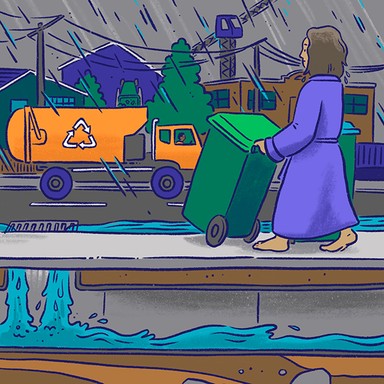
Local governments play a central role in protecting the environment, reducing waste and safeguarding biodiversity. The worsening state of New Zealand’s lakes and rivers is a major challenge for local councils, which work with regional councils in the management of water resources in their area.
Environment
Local governments play a central role in protecting the environment, reducing waste and safeguarding biodiversity. The worsening state of New Zealand’s lakes and rivers is a major challenge for local councils, which work with regional councils in the management of water resources in their area.
Actively manage and maintain the district's green spaces.
Plant more trees and native habitats, including Milton Park in Rangiora and the many other domains, parks and wetlands in the district.
Implement more efficient and wider-reaching waste minimisation programmes by supporting recycling initiatives and establishing food forests.
Employ a resilience team to protect biodiversity, pest control and natural areas replanting in cooperation with farmers and Iwi.
Comply fully with the water authority to protect all with safe drinking water and avoid harmful sprays in water races and streams.
Educate the community to recycle correctly into the recycle bin to avoid penalties and increased costs from landfill.
Establish filters, including plantings and fenced-off setbacks, to improve the health of the rivers and waterways.
Support community groups to establish wetlands and regeneration with a shared ownership and benefit approach.
Minimise waste within all programmes of work, improve recycling and the reuse or repurposing of materials.
Promote the option of planting appropriate native plants to residents, businesses, organisations and clubs supported with tips on planting.
Develop and empower local strategies such as those from local waste experts Eco Educate, with a focus on fabric waste.
Give every local volunteer a small tangible thank you, prizes and regular promotion of volunteers, such as awards.
Encourage local passion and knowledge to protect and enhance local reserves.
Support and encourage voluntary actions to protect or, if possible, restore Significant Natural Areas.
Commit to protecting and growing native bee populations in the district.
Protect waterways through better stormwater management and monitoring.
Support pest control and habitat restoration to boost biodiversity.
Promote practical and cost-effective waste reduction and recycling.
Actively manage and maintain the district's green spaces.
Plant more trees and native habitats, including Milton Park in Rangiora and the many other domains, parks and wetlands in the district.
Implement more efficient and wider-reaching waste minimisation programmes by supporting recycling initiatives and establishing food forests.
Employ a resilience team to protect biodiversity, pest control and natural areas replanting in cooperation with farmers and Iwi.
Comply fully with the water authority to protect all with safe drinking water and avoid harmful sprays in water races and streams.
Educate the community to recycle correctly into the recycle bin to avoid penalties and increased costs from landfill.
Establish filters, including plantings and fenced-off setbacks, to improve the health of the rivers and waterways.
Support community groups to establish wetlands and regeneration with a shared ownership and benefit approach.
Minimise waste within all programmes of work, improve recycling and the reuse or repurposing of materials.
Promote the option of planting appropriate native plants to residents, businesses, organisations and clubs supported with tips on planting.
Develop and empower local strategies such as those from local waste experts Eco Educate, with a focus on fabric waste.
Give every local volunteer a small tangible thank you, prizes and regular promotion of volunteers, such as awards.
Encourage local passion and knowledge to protect and enhance local reserves.
Support and encourage voluntary actions to protect or, if possible, restore Significant Natural Areas.
Commit to protecting and growing native bee populations in the district.
Protect waterways through better stormwater management and monitoring.
Support pest control and habitat restoration to boost biodiversity.
Promote practical and cost-effective waste reduction and recycling.
Mayor
Compare the mayoral candidates in your area
Local council
Compare the candidates for your city or district council
Regional council
Compare the candidates for your regional council
Local board
Compare the candidates for your local or community board