
Whau Local Board






Housing and planning
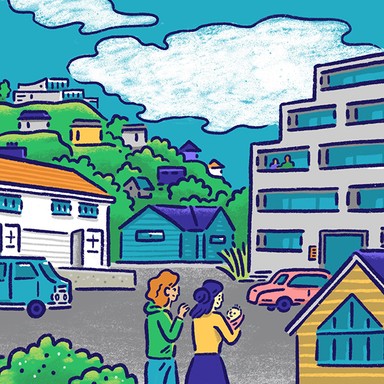
Local councils are responsible for land use planning under the Resource Management Act, which affects where and how new houses are constructed, as well as the design of cities and towns. In some areas, councils also provide housing to those who need it most.
Housing and planning
Local councils are responsible for land use planning under the Resource Management Act, which affects where and how new houses are constructed, as well as the design of cities and towns. In some areas, councils also provide housing to those who need it most.
Do not support greenfield development on arable land but support brownfield intensification in town centres with adequate infrastructure.
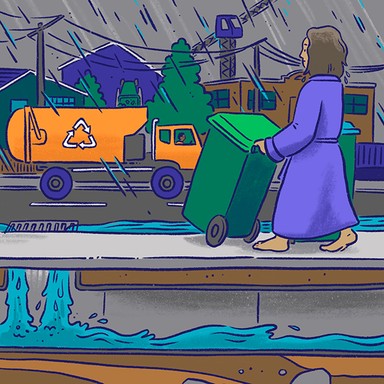
Support regulatory moves to curb developments being built on natural hazards such as flood plains, which currently happens in the Whau area.
Support retaining and adding to council housing, such as Haumaru housing, to reduce numbers of homeless people, especially among seniors.
Focus council solely on services and infrastructure for the benefit of ratepayers and acknowledge wellbeing and add-ons drive rates rises.
Apply rating and council policy to benefit all ratepayers equally and exclude special input based on ancestry or race.
Limit rates rises to not exceed the cost of living in any year and require council to control bureaucrats, not the other way around.
Streamline the building and resource consent process to reduce delays and support faster delivery and invest in quality urban design and public spaces.
Prioritise affordable housing on council land and rezone near transport hubs and centres to enable higher-density development.
Require new housing to meet high energy, climate and weathertightness standards and incentivise green building practices.
Address homelessness by funding local initiatives that provide shelter, support and pathways to permanent housing.
Support quality urban design to create safe, vibrant, people-friendly streets and shared spaces.
Partner with community housing providers and mana whenua to expand social and transitional housing.
Do not support greenfield development on arable land but support brownfield intensification in town centres with adequate infrastructure.
Support regulatory moves to curb developments being built on natural hazards such as flood plains, which currently happens in the Whau area.
Support retaining and adding to council housing, such as Haumaru housing, to reduce numbers of homeless people, especially among seniors.
Focus council solely on services and infrastructure for the benefit of ratepayers and acknowledge wellbeing and add-ons drive rates rises.
Apply rating and council policy to benefit all ratepayers equally and exclude special input based on ancestry or race.
Limit rates rises to not exceed the cost of living in any year and require council to control bureaucrats, not the other way around.
Streamline the building and resource consent process to reduce delays and support faster delivery and invest in quality urban design and public spaces.
Prioritise affordable housing on council land and rezone near transport hubs and centres to enable higher-density development.
Require new housing to meet high energy, climate and weathertightness standards and incentivise green building practices.
Address homelessness by funding local initiatives that provide shelter, support and pathways to permanent housing.
Support quality urban design to create safe, vibrant, people-friendly streets and shared spaces.
Partner with community housing providers and mana whenua to expand social and transitional housing.
Mayor
Compare the mayoral candidates in your area
Local council
Compare the candidates for your city or district council
Regional council
Compare the candidates for your regional council
Local board
Compare the candidates for your local or community board