Greater Wellington Regional Council




Freshwater
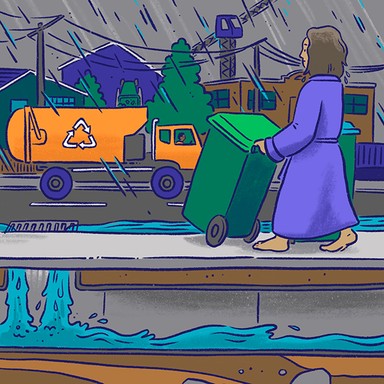
The worsening state of New Zealand’s lakes and rivers is a major challenge for regional councils, which play a leading role in managing freshwater in their areas. To this end, regional councils create plans to protect water resources from contaminants and overuse.
Freshwater
The worsening state of New Zealand’s lakes and rivers is a major challenge for regional councils, which play a leading role in managing freshwater in their areas. To this end, regional councils create plans to protect water resources from contaminants and overuse.
Audit all current water takings from the Hutt River and other tributaries.
Create policies that all water use be scrutinised by the public and be an open process even if commercial interests are involved.
See new water pollution rule-book (Plan Change 1) through to prevent further degradation and start improving water quality.
Notify the recommended plan change to increase minimum low flow for a healthier and more swimmable Hutt River in summer.
Implement the Whaitua recommendations to restore the health of all natural waterways.
Set environmental limits based on science rather than cultural values.
Speed up consents for water storage to ease pressure on source water.
Invest in infrastructure to prevent sewage entering waterways.
Establish fifth and sixth fresh water treatment plants in Belmont and Stokes Valley to meet GWRC fresh water demand.
Divert upstream storm water and flood water into large catchment facilities for channelling water for irrigation and farming needs.
Establish policy to ensure water catchments align with protecting natural wildlife and bird sanctuaries.
Start thinking of rainwater as a resource and collect as much as possible for reuse before it drains away, as rainwater is now a resource.
Combine rainwater catch and reuse and sponge city approach to store stormwater, reduce flooding, replenish groundwater and add resilience.
Install in-pipe hydro electricity generation to create new revenue for Greater Wellington Regional Council.
Audit all current water takings from the Hutt River and other tributaries.
Create policies that all water use be scrutinised by the public and be an open process even if commercial interests are involved.
See new water pollution rule-book (Plan Change 1) through to prevent further degradation and start improving water quality.
Notify the recommended plan change to increase minimum low flow for a healthier and more swimmable Hutt River in summer.
Implement the Whaitua recommendations to restore the health of all natural waterways.
Set environmental limits based on science rather than cultural values.
Speed up consents for water storage to ease pressure on source water.
Invest in infrastructure to prevent sewage entering waterways.
Establish fifth and sixth fresh water treatment plants in Belmont and Stokes Valley to meet GWRC fresh water demand.
Divert upstream storm water and flood water into large catchment facilities for channelling water for irrigation and farming needs.
Establish policy to ensure water catchments align with protecting natural wildlife and bird sanctuaries.
Start thinking of rainwater as a resource and collect as much as possible for reuse before it drains away, as rainwater is now a resource.
Combine rainwater catch and reuse and sponge city approach to store stormwater, reduce flooding, replenish groundwater and add resilience.
Install in-pipe hydro electricity generation to create new revenue for Greater Wellington Regional Council.
Mayor
Compare the mayoral candidates in your area
Local council
Compare the candidates for your city or district council
Regional council
Compare the candidates for your regional council
Local board
Compare the candidates for your local or community board