
Waikato Regional Council




Freshwater
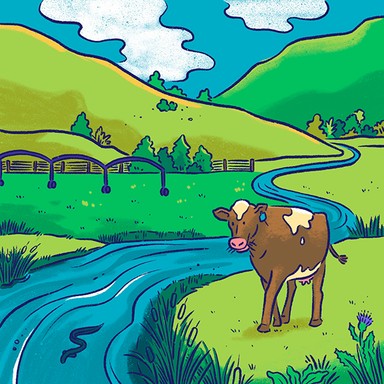
The worsening state of New Zealand’s lakes and rivers is a major challenge for regional councils, which play a leading role in managing freshwater in their areas. To this end, regional councils create plans to protect water resources from contaminants and overuse.
Freshwater
The worsening state of New Zealand’s lakes and rivers is a major challenge for regional councils, which play a leading role in managing freshwater in their areas. To this end, regional councils create plans to protect water resources from contaminants and overuse.
Spend limited money where the most gains can be made and avoid making perfect the enemy of good by insisting all waterways must be pristine.
Explore better water storage options to avoid droughts.
Improve allocation of water for food production.
Work within the parameters of joint management agreements with iwi relating to the Waikato River catchment.
Improve freshwater quality by reducing nutrient loss, restoring habitats and managing land use to keep waterways healthy.
Develop a collaborative water security management plan, review the current water allocation system and address water over-allocation.
Safeguard sustainable and reliable access to quality freshwater.
Develop region-wide water storage capabilities for irrigation during low rainfall periods.
Encourage farmers to continue their riparian planting.
Reduce physical, chemical and biological contaminants in rivers in the region and safeguard access to quality freshwater for communities.
Provide advice and incentives in priority catchments for erosion prevention and mitigation, retire riparian margins and natural areas.
Work with landowners to protect catchments, develop plans to improve health and wellbeing of freshwater, and report status and changes over time.
Spend limited money where the most gains can be made and avoid making perfect the enemy of good by insisting all waterways must be pristine.
Explore better water storage options to avoid droughts.
Improve allocation of water for food production.
Work within the parameters of joint management agreements with iwi relating to the Waikato River catchment.
Improve freshwater quality by reducing nutrient loss, restoring habitats and managing land use to keep waterways healthy.
Develop a collaborative water security management plan, review the current water allocation system and address water over-allocation.
Safeguard sustainable and reliable access to quality freshwater.
Develop region-wide water storage capabilities for irrigation during low rainfall periods.
Encourage farmers to continue their riparian planting.
Reduce physical, chemical and biological contaminants in rivers in the region and safeguard access to quality freshwater for communities.
Provide advice and incentives in priority catchments for erosion prevention and mitigation, retire riparian margins and natural areas.
Work with landowners to protect catchments, develop plans to improve health and wellbeing of freshwater, and report status and changes over time.
Mayor
Compare the mayoral candidates in your area
Local council
Compare the candidates for your city or district council
Regional council
Compare the candidates for your regional council
Local board
Compare the candidates for your local or community board