Waikato Regional Council





Utilities and services
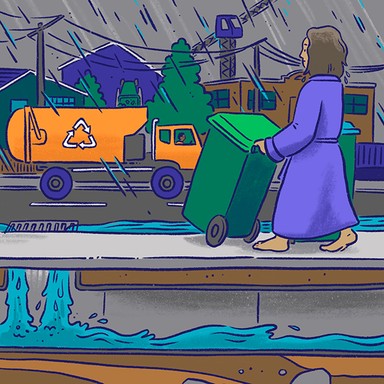
Councils are responsible for a wide range of utilities and services that we all rely on, from rubbish and recycling to street cleaning. Councils are currently also responsible for managing waste water, storm water and drinking water infrastructure – the ‘Three Waters’. But that may be about to change, with central government seeking to shift the delivery of Three Waters services to four new larger entities, which could borrow enough to upgrade the country’s water infrastructure.
Utilities and services
Councils are responsible for a wide range of utilities and services that we all rely on, from rubbish and recycling to street cleaning. Councils are currently also responsible for managing waste water, storm water and drinking water infrastructure – the ‘Three Waters’. But that may be about to change, with central government seeking to shift the delivery of Three Waters services to four new larger entities, which could borrow enough to upgrade the country’s water infrastructure.
Promote environmental monitoring and inform the results to communities on the current state of environment and changes over time.
Work with local territorial authorities in developing water infrastructure and flood scheme infrastructure and assets they protect.
Encourage rainwater harvesting with tanks in homes and businesses to reduce demand on expensive treated water.
Streamline digital permits and registrations to lower administrative costs.
Coordinate with other councils to share resources for monitoring and enforcement.
Ensure catchment assets are fit for purpose and capable of delivering the agreed level of service for targeted ratepayers.
Continue monitoring water discharges to river systems to ensure continual improvement in overall water quality.
Review the current infrastructure model with the objective of delivering more cost-effective outcomes for ratepayers.
Ensure regional council is effective in rainfall monitoring and flood warning responses.
Deliver services efficiently and effectively to meet community needs, ensuring value for money and continuous improvement.
Partner with city and district councils to align efforts, share expertise and address service gaps without duplication.
Promote environmental monitoring and inform the results to communities on the current state of environment and changes over time.
Work with local territorial authorities in developing water infrastructure and flood scheme infrastructure and assets they protect.
Encourage rainwater harvesting with tanks in homes and businesses to reduce demand on expensive treated water.
Streamline digital permits and registrations to lower administrative costs.
Coordinate with other councils to share resources for monitoring and enforcement.
Ensure catchment assets are fit for purpose and capable of delivering the agreed level of service for targeted ratepayers.
Continue monitoring water discharges to river systems to ensure continual improvement in overall water quality.
Review the current infrastructure model with the objective of delivering more cost-effective outcomes for ratepayers.
Ensure regional council is effective in rainfall monitoring and flood warning responses.
Deliver services efficiently and effectively to meet community needs, ensuring value for money and continuous improvement.
Partner with city and district councils to align efforts, share expertise and address service gaps without duplication.
Mayor
Compare the mayoral candidates in your area
Local council
Compare the candidates for your city or district council
Regional council
Compare the candidates for your regional council
Local board
Compare the candidates for your local or community board