Dunedin City Council




Climate change and resilience
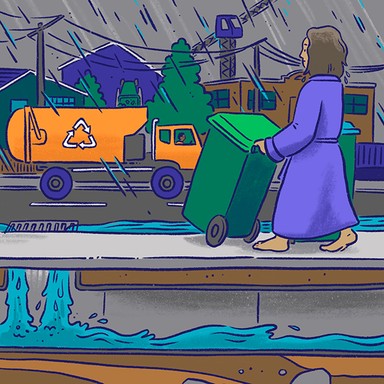
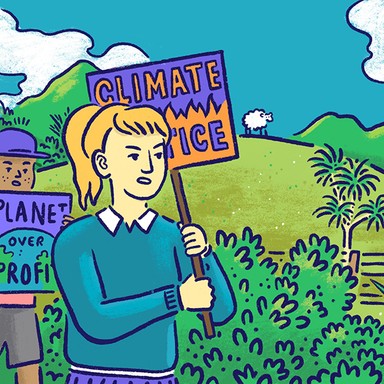
Climate change poses a huge challenge for communities as more frequent extreme weather events require us to rethink how we live and where. Local authorities are at the forefront of efforts to respond, with responsibilities for environmental planning and regulation, as well as civil defence. Many councils have plans to reduce emissions in their area and are working to help their communities adapt to a warming world.
Climate change and resilience
Climate change poses a huge challenge for communities as more frequent extreme weather events require us to rethink how we live and where. Local authorities are at the forefront of efforts to respond, with responsibilities for environmental planning and regulation, as well as civil defence. Many councils have plans to reduce emissions in their area and are working to help their communities adapt to a warming world.
Commit to a South Dunedin Future Plan that residents agree with which mitigates flooding risk.
Strengthen local food network by coordinating with food growers and organisations, whilst increasing community grant funding.
Prioritise council's zero carbon plan to reduce emissions by switching to low carbon activities and increase carbon sequestration.
Commit council to being carbon neutral by 2035.
Support active transport modes to achieve low carbon emissions and increase healthy lifestyle.
Commit to fair and targeted funding for risk reduction.
Work at pace to combat the effects of climate change, particularly around flooding in South Dunedin, protecting the community.
Explore effective rubbish disposal options that are not Smooth Hill landfill. Be an innovative city, economically and environmentally sound.
Encourage and expand recycling operations in Dunedin, reducing landfill waste and making good environmental and economic decisions.
Upgrade stormwater systems to handle heavy rainfall and prevent flooding.
Support coastal protection measures to safeguard vulnerable communities.
Improve emergency readiness to respond faster to severe weather events.
Push hard for a national plan and action for an all-of-Government response to climate change, adaptation and mitigation.
Address the climate plan gap and deliver a comprehensive citywide Dunedin climate action plan addressing both mitigation and adaptation.
Introduce a red carpet approach for at-risk buildings to ensure adaptations, such as earthquake strengthening, have proactive support.
Support dune restoration and setback options for the St-Clair-St-Kilda coastal plan.
Commit to pedestrian and cycling infrastructure to reduce car dependency within the city.
Advocate for freight and passenger rail restoration.
Commit to civil defence strategies and keep the right people trained. This is not a major expense.
Disregard greenhouse gas emissions as an issue worth destroying the economy over. Let cows to fart at will.
Include the weaponisation of the weather by the Pentagon and research on dimming the sun by the UK.
Accelerate investment in stormwater and flood protection to keep South Dunedin and other vulnerable areas dry and safe.
Back practical incentives and education that help businesses cut emissions and boost energy efficiency.
Plan for sea-level rise in all long-term urban design and transport decisions.
Support DCC's policy to be zero carbon by 2030 and resource the programme adequately.
Support the South Dunedin Futures Project by resourcing it appropriately and continue to take the community with us through the process.
Provide practical advice to property owners to address natural hazard risks, including providing appropriate planting advice to prevent landslips.
Commit to the DCC zero carbon plan 2030.
Advocate for the full delivery of the South Dunedin Future option most preferred by the residents of South Dunedin.
Improve community resilience by increasing the existing place-based community grants fund.
Continue being a leading voice around the council table on climate change mitigation and adaptation, particularly for South Dunedin.
Remain the loudest voice around the council table when it comes to protecting unique and precious wildlife and natural environment.
Commit to support organisations doing the mahi out in the community, including Dunedin Wildlife Hospital and Predator Free Dunedin.
Increase investment in civil defence. The current budget is $200,000 a year, which is wholly inadequate for an earthquake prone city.
Deal with drainage issues in South Dunedin, which is close to sea level, noting that most of Holland is below sea level.
Reduce home building in flood and erosion prone areas, particularly on the Class 1 horticultural soils of the Taieri.
Commit to zero carbon Ōtepoti by 2030.
Consult the people on climate action via People's Assemblies.
Make the climate and ecological emergency the first consideration in policy discussions.
Look into alternatives of how to adapt to climate change, including coastal areas and South Dunedin.
Look at ways to reduce waste and develop an incinerator that produces heat to fuel power and electricity.
Commit to zero carbon by 2030.
Strengthen the ORC and DCC relationship to deliver South Dunedin a thriving future and the city an impressive public transport system.
Co-create an attractive city with communities to inspire longer stays, encourage local resource sharing and become a walkable city.
Reinvest time and money into the zero carbon plan to prioritise switching to low carbon and renewable energy sources.
Stop wasting money on emission cuts and focus on core local services, not climate activism.
Remove emission considerations from all council decisions and prioritise value for money.
Invest more in storm water systems and stopbanks to protect homes, businesses and communities from severe weather.
Mitigate the effect of climate change on residents and city assets, particularly improving coastal defences.
Reduce the city's carbon emissions with practical inexpensive decisions.
Implement climate action plan strengthened by targeted actions to support low lying communities, starting with South Dunedin Futures plan.
Build connected community networks and resource communities to strengthen resilience during weather events due to climate change.
Commit to emission reduction with a strengthened public transport system, investigate commuter trains and encourage active transport.
Deliver Dunedin's zero carbon 2030 target.
Progress the South Dunedin Future plan with strong community involvement to ensure long-term adaptation to sea-level rise and flooding.
Run community grants for climate adaptation projects, including community gardens and flood-proof landscaping.
Commit to taking ongoing action in pursuit of DCC's zero carbon 2030 (carbon neutrality) goal.
Begin on the ground works on South Dunedin climate emergency resilience programme within the next council term.
Generate a climate resilience and coastal erosion plan covering all of Dunedin's low lying and beach communities.
Keep council on track for carbon neutral by 2030.
Protect South Dunedin with resilience structures including pipes and pumps stormwater upgrades, wastewater upgrades and room for water green space.
Prevent beach erosion with pole and plank groynes which are well proven to work at St Clair beach.
Work with all stakeholders to protect environment.
Support finalisation of South Dunedin future plan.
Work with civil defence in preparing for emergencies.
Commit to council being carbon zero by 2030 and support further adaptation to help mitigate the climate crisis.
Commit to protecting the natural environment and taonga species.
Commit to acknowledging that we are living in a climate emergency and are not doing enough to address this currently.
Commit to a South Dunedin Future Plan that residents agree with which mitigates flooding risk.
Strengthen local food network by coordinating with food growers and organisations, whilst increasing community grant funding.
Prioritise council's zero carbon plan to reduce emissions by switching to low carbon activities and increase carbon sequestration.
Commit council to being carbon neutral by 2035.
Support active transport modes to achieve low carbon emissions and increase healthy lifestyle.
Commit to fair and targeted funding for risk reduction.
Work at pace to combat the effects of climate change, particularly around flooding in South Dunedin, protecting the community.
Explore effective rubbish disposal options that are not Smooth Hill landfill. Be an innovative city, economically and environmentally sound.
Encourage and expand recycling operations in Dunedin, reducing landfill waste and making good environmental and economic decisions.
Upgrade stormwater systems to handle heavy rainfall and prevent flooding.
Support coastal protection measures to safeguard vulnerable communities.
Improve emergency readiness to respond faster to severe weather events.
Push hard for a national plan and action for an all-of-Government response to climate change, adaptation and mitigation.
Address the climate plan gap and deliver a comprehensive citywide Dunedin climate action plan addressing both mitigation and adaptation.
Introduce a red carpet approach for at-risk buildings to ensure adaptations, such as earthquake strengthening, have proactive support.
Support dune restoration and setback options for the St-Clair-St-Kilda coastal plan.
Commit to pedestrian and cycling infrastructure to reduce car dependency within the city.
Advocate for freight and passenger rail restoration.
Commit to civil defence strategies and keep the right people trained. This is not a major expense.
Disregard greenhouse gas emissions as an issue worth destroying the economy over. Let cows to fart at will.
Include the weaponisation of the weather by the Pentagon and research on dimming the sun by the UK.
Accelerate investment in stormwater and flood protection to keep South Dunedin and other vulnerable areas dry and safe.
Back practical incentives and education that help businesses cut emissions and boost energy efficiency.
Plan for sea-level rise in all long-term urban design and transport decisions.
Support DCC's policy to be zero carbon by 2030 and resource the programme adequately.
Support the South Dunedin Futures Project by resourcing it appropriately and continue to take the community with us through the process.
Provide practical advice to property owners to address natural hazard risks, including providing appropriate planting advice to prevent landslips.
Commit to the DCC zero carbon plan 2030.
Advocate for the full delivery of the South Dunedin Future option most preferred by the residents of South Dunedin.
Improve community resilience by increasing the existing place-based community grants fund.
Continue being a leading voice around the council table on climate change mitigation and adaptation, particularly for South Dunedin.
Remain the loudest voice around the council table when it comes to protecting unique and precious wildlife and natural environment.
Commit to support organisations doing the mahi out in the community, including Dunedin Wildlife Hospital and Predator Free Dunedin.
Increase investment in civil defence. The current budget is $200,000 a year, which is wholly inadequate for an earthquake prone city.
Deal with drainage issues in South Dunedin, which is close to sea level, noting that most of Holland is below sea level.
Reduce home building in flood and erosion prone areas, particularly on the Class 1 horticultural soils of the Taieri.
Commit to zero carbon Ōtepoti by 2030.
Consult the people on climate action via People's Assemblies.
Make the climate and ecological emergency the first consideration in policy discussions.
Look into alternatives of how to adapt to climate change, including coastal areas and South Dunedin.
Look at ways to reduce waste and develop an incinerator that produces heat to fuel power and electricity.
Commit to zero carbon by 2030.
Strengthen the ORC and DCC relationship to deliver South Dunedin a thriving future and the city an impressive public transport system.
Co-create an attractive city with communities to inspire longer stays, encourage local resource sharing and become a walkable city.
Reinvest time and money into the zero carbon plan to prioritise switching to low carbon and renewable energy sources.
Stop wasting money on emission cuts and focus on core local services, not climate activism.
Remove emission considerations from all council decisions and prioritise value for money.
Invest more in storm water systems and stopbanks to protect homes, businesses and communities from severe weather.
Mitigate the effect of climate change on residents and city assets, particularly improving coastal defences.
Reduce the city's carbon emissions with practical inexpensive decisions.
Implement climate action plan strengthened by targeted actions to support low lying communities, starting with South Dunedin Futures plan.
Build connected community networks and resource communities to strengthen resilience during weather events due to climate change.
Commit to emission reduction with a strengthened public transport system, investigate commuter trains and encourage active transport.
Deliver Dunedin's zero carbon 2030 target.
Progress the South Dunedin Future plan with strong community involvement to ensure long-term adaptation to sea-level rise and flooding.
Run community grants for climate adaptation projects, including community gardens and flood-proof landscaping.
Commit to taking ongoing action in pursuit of DCC's zero carbon 2030 (carbon neutrality) goal.
Begin on the ground works on South Dunedin climate emergency resilience programme within the next council term.
Generate a climate resilience and coastal erosion plan covering all of Dunedin's low lying and beach communities.
Keep council on track for carbon neutral by 2030.
Protect South Dunedin with resilience structures including pipes and pumps stormwater upgrades, wastewater upgrades and room for water green space.
Prevent beach erosion with pole and plank groynes which are well proven to work at St Clair beach.
Work with all stakeholders to protect environment.
Support finalisation of South Dunedin future plan.
Work with civil defence in preparing for emergencies.
Commit to council being carbon zero by 2030 and support further adaptation to help mitigate the climate crisis.
Commit to protecting the natural environment and taonga species.
Commit to acknowledging that we are living in a climate emergency and are not doing enough to address this currently.
Mayor
Compare the mayoral candidates in your area
Local council
Compare the candidates for your city or district council
Regional council
Compare the candidates for your regional council
Local board
Compare the candidates for your local or community board